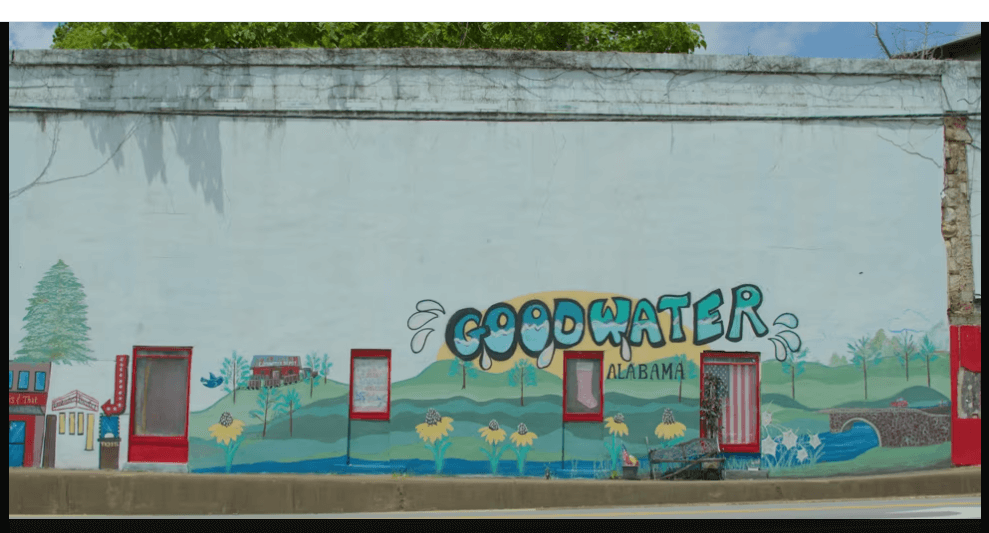
“Goodwater” examines the causes and effects of a rural Alabama town’s disintegration through the eyes of its people. Can the community lift itself out of decades of decay and neglect, or will a lack of resources and the past, with its deeply entrenched beliefs, continue to dictate its future?

Through the eyes and narration of our participants, encompassing a wide demographic of race, age, and gender, we want to give context to the present day condition of the town by showing how it used to be. In the early twentieth century, following an extension of the railroad, the town’s growth was exponential, leading to a bustling economy–for its white citizens. We’ll explore some of the reasons this particular community crumbled, as well as the uphill battle required to gain any traction restoring it. We’ll hear from past and present citizens about the town’s integration starting in the late 1960s, which caused many white families to move, taking their businesses and money with them. We’ll hear about “280”–a major thoroughfare connecting Birmingham to Auburn–which was built in the 1970s and bypassed the town completely. In the late 1980s, Goodwater’s local school was moved to a central county location, further splintering the town and disrupting what remained of a small town’s economy. In our final act, we’ll begin to look more closely at the hope which perseveres. While the obstacles in front of the town have been cemented by decades of neglect and disjointed leadership, many of its citizens know they deserve more. Overcoming hopelessness and apathy is a part of that process.
 
Co-Directors | Leslie Hardy, Caleb A. Zorn
 

Project Website

Social media: @thirdactproductions

Southern Doc fest

The South has stories to tell

October 10, 2026 | Durham, NC

Get your Early Bird Passes today

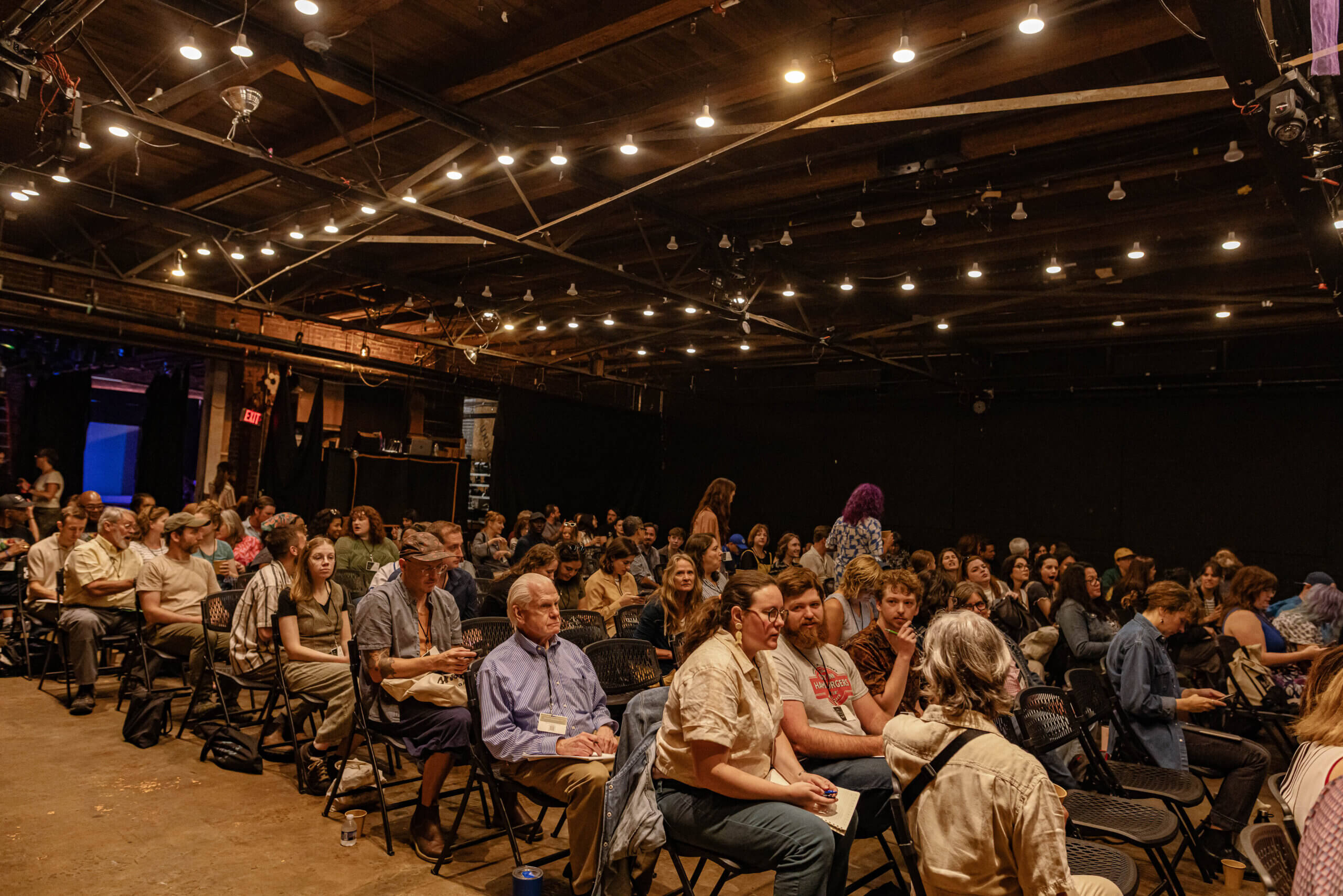
Get ready for another 3 days of learning, networking and good genuine Southern community fun! 

Voices of the South:
A Campaign Of Giving

Supporting southern stories and makers

This Giving Tuesday, join Southern Documentary Fund in reaching our $5,000 goal to support Southern filmmakers. Your gift amplifies diverse voices, fuels powerful storytelling, and ensures Southern stories continue to be told.